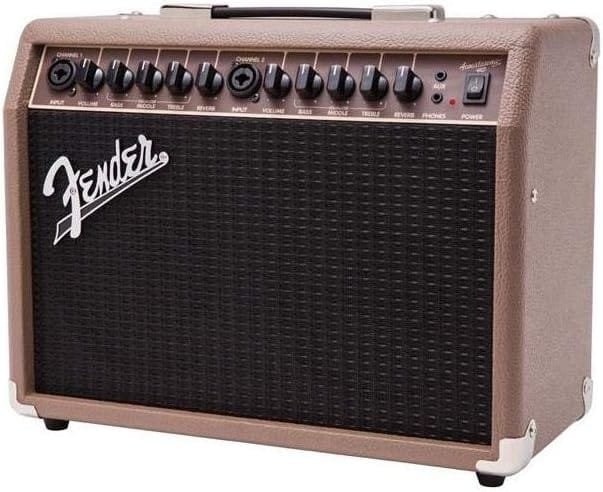
Introduction to Fender Amps Fender Amplifiers, often referred to simply as Fender amps, have established themselves as a cornerstone in the music industry since their inception in the early 1940s. Founded by Leo Fender in 1946, the company quickly garnered attention for its innovative designs and high-quality sound, producing amplifiers that appealed to a wide range of musicians. The earliest models, such as the Fender Champ and the Fender Twin, demonstrated a commitment to functionality and durability, which laid the groundwork for the brand’s enduring legacy. Throughout the decades, Fender amps have been embraced by iconic artists across numerous genres, from rock and blues to jazz and country. Prominent musicians such as Jimi Hendrix, Eric Clapton, and Stevie Ray Vaughan contributed to the brand’s notoriety, effectively associating the sound of Fender amps with legendary performances. This rich historical context not only showcases the amps’ versatility but also emphasizes their vital role in shaping contemporary music. The design philosophy behind Fender amplifiers centers on the notion that simplicity can yield powerful results. By focusing on quality components, straightforward controls, and a warm tonal character, Fender has enabled both novice and professional guitarists to achieve their desired sound. Consequently, these amplifiers are not only suitable for different playing styles but also for varying performance settings, whether in a studio or a live concert environment. As technology evolved, so did Fender’s offerings. The introduction of digital modeling amps alongside traditional tube designs has provided musicians with even more sonic options. Today, Fender amps continue to be a favorite among guitarists, fostering creativity and expression. The enduring popularity of these amplifiers underscores their significance in the music landscape, ensuring that they remain a relevant choice for musicians around the world. The Distinctive Sound of Fender Amps Fender amplifiers have long been celebrated for their exceptional sound quality, which stems from their distinctive tonal characteristics. These amplifiers are designed to produce a warm, rich sound that is highly sought after by guitarists across various genres. One of the key elements contributing to this unique sound is the construction of the amps themselves. Fender employs high-quality components that work together to create a sonic profile revered by both professional and amateur musicians alike. The use of vacuum tubes in many Fender amp models, such as the iconic Fender Twin Reverb, plays a significant role in shaping the sound. These tubes produce a natural compression effect that enhances harmonic overtones, resulting in a rich tonal palette that many guitarists find irresistible. This tube-driven warmth is often contrasted with the more sterile sound of solid-state amplifiers, making Fender amps particularly appealing to those seeking a more organic audio experience. Another factor that contributes to the distinctive sound of Fender amps is the design of their speaker cabinets. Many Fender models feature specially designed speakers that are crafted for optimal resonance and projection. The combination of the amp circuitry and speaker design allows for a dynamic range that captures the nuances of a player’s technique, from delicate fingerpicking to aggressive strumming. Additionally, the EQ controls available offer musicians a chance to tailor their sound, making it possible to achieve everything from sparkling clean tones to creamy overdrives. Examples such as the Fender Deluxe Reverb illustrate the versatility of these amplifiers, providing lush cleans that underline the typical vintage character associated with Fender sound. Overall, the distinctive sound of Fender amps is a testament to the brand’s commitment to quality and craftsmanship, solidifying their status as a favorite among guitarists worldwide. Who Uses Fender Amps? Fender amplifiers have long been revered not only for their iconic sound but also for their ability to cater to a wide range of musical styles and playing environments. Musicians from various backgrounds appreciate the reliability and tonal quality of Fender Amps, making them a staple in both professional and personal settings. From seasoned professionals in major bands to passionate hobbyists at home, the diversity of Fender users exemplifies the amp’s versatility and appeal. Among the most notable professional guitarists who favor Fender Amplifiers are legends such as Eric Clapton, John Mayer, and David Gilmour. Clapton and Mayer, in particular, are known for their soulful blues and rock tones, which are often achieved through the use of Fender’s classic models like the Deluxe Reverb and the Twin Reverb. These iconic amplifiers provide rich harmonic content and dynamic responsiveness, allowing artists to express intricate musical nuances. Gilmour, renowned for his atmospheric soundscapes, also utilizes Fender gear to achieve his signature tones during live performances. Fender’s reach extends beyond professional musicians, as many dedicated hobbyists and emerging players also utilize these amplifiers in their practice spaces or home studios. The simplicity and user-friendly interfaces of Fender Amps make them an excellent choice for those who may not yet possess extensive experience with electronic gear. Furthermore, their affordability, especially in the lower-end models, allows aspiring musicians to access quality amplification without straining their budgets. Ultimately, the widespread use of Fender Amps can be attributed to their adaptability across different genres, from country and rock to jazz and blues, all while maintaining a distinctive tonal character. Whether on a large stage or in a small studio, these amplifiers continue to inspire musicians of varying skill levels and contribute to the ever-evolving landscape of music. Fender Amps in Professional Settings Fender Amps have long been a staple in professional music environments, renowned for their exceptional sound quality and reliability. These amplifiers have shaped the sounds of numerous genres, from rock and blues to jazz and country, making them a favored choice among many accomplished musicians. The versatility of Fender Amps allows artists to achieve a range of tones, making them suitable for studio recordings and live performances alike. For instance, legendary guitarist Eric Clapton has often demonstrated his preference for Fender amplifiers throughout his celebrated career. Clapton’s use of the Fender Twin Reverb during his studio sessions is frequently mentioned, as it has helped shape some of his most iconic recordings. The amp’s rich reverb and stellar headroom provide
The Rise of Digital Coffee Makers: Brewing the Perfect Cup at Home
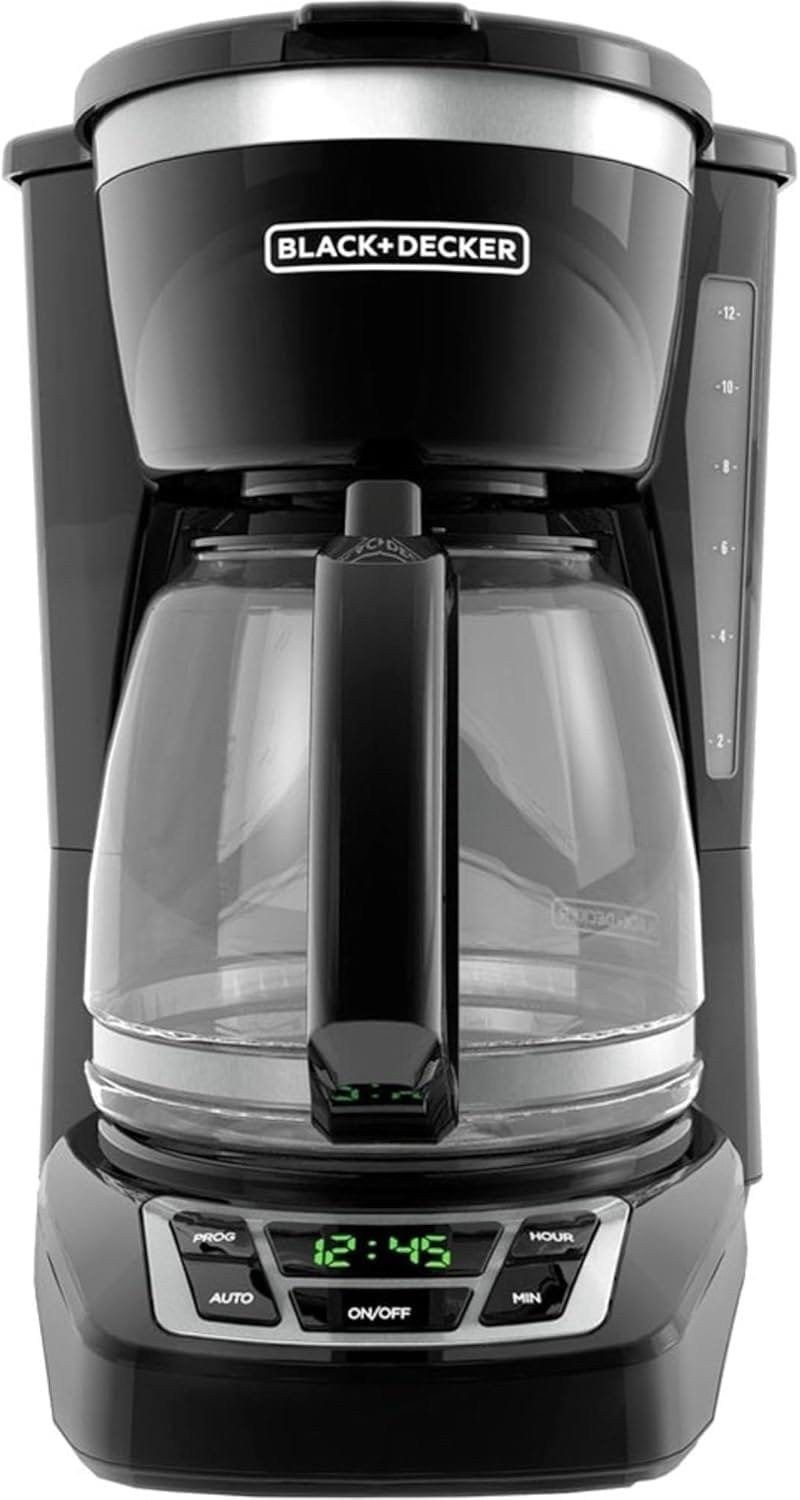
Introduction to Digital Coffee Makers Digital coffee makers represent a significant advancement in the world of brewing technology, offering an innovative approach to preparing the perfect cup of coffee at home. These appliances have evolved dramatically over the years, transitioning from basic, manual machines to sophisticated devices equipped with a variety of technological features. As coffee culture has intensified, so too has the demand for equipment that not only brews a quality cup but also enhances the overall coffee-making experience. What sets digital coffee makers apart from traditional machines is their incorporation of smart technology, which allows users to customize their brewing preferences with precision. Many models come with programmable settings that enable enthusiasts to adjust brewing time, temperature, and even the strength of their coffee. Additionally, connectivity features such as Wi-Fi or Bluetooth integration grant users the ability to operate their coffee makers remotely via smartphones or tablets. This shift towards automation allows for greater convenience, catering to the lifestyle of modern consumers who are often on the go yet desire high-quality beverages at their fingertips. The growing popularity of digital coffee makers can be attributed to several factors, including the increasing awareness of coffee quality and the desire for homemade beverages that rival those from coffee shops. Coffee aficionados appreciate the ability to experiment with various brewing techniques and parameters, which can be easily monitored and adjusted through digital interfaces. Furthermore, the trend of home brewing has gained momentum, particularly during recent global events that have limited access to cafes and restaurants. As a result, digital coffee makers have become a practical solution for those looking to elevate their morning routine or impress guests with perfectly brewed coffee. In this blog post, we will further explore the unique features of digital coffee makers, their functionalities, and the advantages they offer to coffee lovers, ensuring that you will have a comprehensive understanding of this fascinating trend in the coffee industry. How Digital Coffee Makers Work Digital coffee makers have transformed the traditional coffee brewing process by integrating advanced technology that facilitates ease of use and enhanced customization. At the heart of these machines is the water reservoir, which holds the water required for brewing. Many modern digital coffee makers come equipped with clear water windows, allowing users to easily monitor water levels. This feature eliminates guesswork, ensuring that the right amount of water is available for optimal brewing. The heating element is another critical component in this technology. It heats the water to the ideal brewing temperature, typically between 195°F to 205°F, which is necessary for extracting the rich flavors from coffee grounds. The efficiency of the heating element directly affects the brewing time and the final taste of the coffee. Some models also feature thermal carafes that keep brewed coffee hot without the need for a hot plate, which can lead to burnt coffee over time. Digital coffee makers often include programmable brewing cycles, allowing users to set a timer for when they want their coffee to be brewed. This feature is particularly beneficial for those who want to wake up to the rich aroma of fresh coffee. Some machines also offer settings to adjust the coffee strength, catering to individual taste preferences. This capability is facilitated by various brewing methods, such as drip brewing or french press options, further enhancing the versatility of these devices. Moreover, many digital coffee makers provide a user-friendly interface, often featuring display screens with intuitive buttons for easy navigation of the settings. This advanced functionality, combined with the ability to experiment with different brewing parameters, explains the growing popularity of digital coffee makers among coffee enthusiasts looking to brew the perfect cup at home. Digital Coffee Makers vs. Bean-to-Cup Machines Digital coffee makers and bean-to-cup machines are both popular choices for coffee enthusiasts who wish to enjoy fresh, high-quality brews at home. While they share the common goal of producing delicious coffee, they employ different methods and technologies in their operations, leading to distinct advantages and disadvantages for each type. Digital coffee makers typically focus on ease of use and convenience. These machines allow users to brew pre-ground coffee directly, often featuring programmable settings that let them customize the brewing time and temperature. However, they lack the built-in grinding feature that bean-to-cup machines possess. This means that users must purchase ground coffee separately or grind beans beforehand, which may impact the freshness and flavor profile of the cup. On the other hand, bean-to-cup machines integrate the grinding process within the unit. They are designed to take whole coffee beans, grind them right before brewing, and produce a cup of coffee with a higher concentration of flavor. This all-in-one setup is ideal for those who prioritize freshness and are willing to invest in a more complex machine. Yet, the array of features and functionalities may present a steeper learning curve for users unfamiliar with coffee-making processes. Maintenance is another critical factor when considering these two types of coffee machines. Digital coffee makers generally require less upkeep since there are fewer components involved. In contrast, bean-to-cup machines necessitate regular cleaning of both the grinding mechanism and brewing system to prevent clogs and ensure optimal performance. This additional maintenance may not be ideal for individuals seeking a low-maintenance coffee solution. Ultimately, choosing between a digital coffee maker and a bean-to-cup machine depends on individual preferences and lifestyle factors. Understanding these differences allows potential buyers to select a machine that best suits their coffee brewing needs. Global Coffee Consumption Trends Coffee consumption has witnessed a significant rise globally, with various nations exhibiting unique habits and preferences. According to recent statistics, Finland holds the title of the highest coffee consumption per capita, with an astonishing average of 12 kg of coffee per person annually. Surprisingly, it is the cultural practices surrounding coffee that often illustrate its deep-rooted significance in social dynamics and leisure activities. In Finland, for example, coffee is typically enjoyed during breaks at work and is central to social gatherings, reflecting the societal value
Exploring the Latest Wireless Mice: How They Work and Their Future
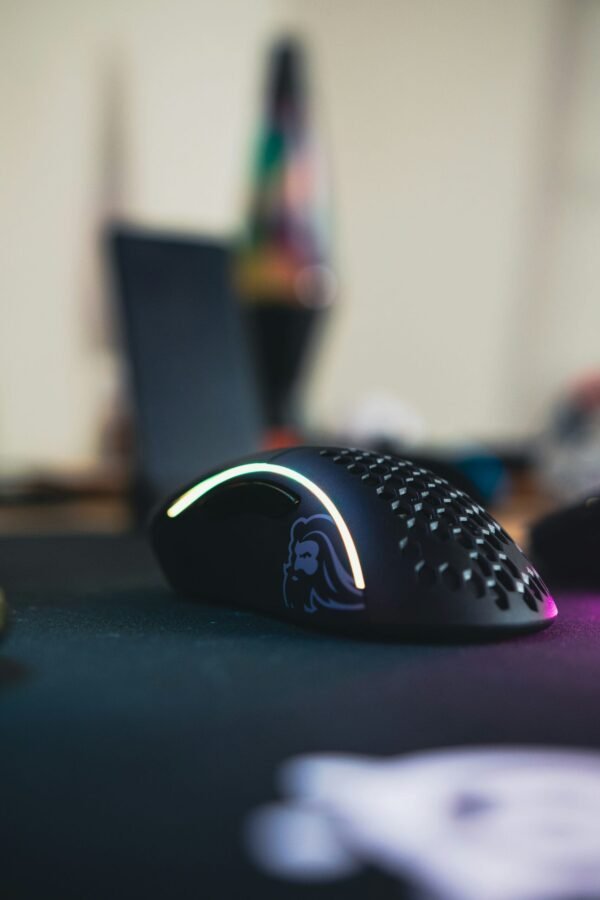
Introduction to Wireless Mice Wireless mice have transformed the way users interact with their computers, marking a significant advancement from the traditional wired models. Initially, wired mice relied on a physical connection to transmit data to the computer, which limited users’ freedom of movement and contributed to cable clutter on desks. The evolution from wired to wireless technology has been driven by a need for greater flexibility and efficiency in user experiences across various computing environments. The core principle behind wireless mice involves the use of radio frequency (RF) or Bluetooth technology to send signals from the mouse to the computer. This transmission enables users to operate their devices without the restrictions posed by cables. Moreover, the increasing adoption of wireless mice has been facilitated by advancements in battery life and technology, allowing for longer operational periods without frequent recharging or battery replacement. One of the main advantages of using a wireless mouse is the freedom of motion it provides. Users can navigate their computers from a greater distance, making wireless mice particularly useful in presentation settings or when connecting to devices like smart TVs. Additionally, the lack of cords significantly reduces cable clutter, resulting in a cleaner workspace that enhances the overall user experience. Portability is another significant benefit of wireless mice, as they are often lightweight and compact, making them an excellent choice for users on the go. The combination of these advantages has led to a widespread shift towards wireless technology in input devices, with many users preferring the convenience and versatility that wireless mice offer. As technology continues to advance, the capabilities of wireless mice are expected to expand, setting new standards for user experience in computing. Current Market Overview of Wireless Mice The market for wireless mice has expanded significantly as of October 2023, with a variety of models catering to different user preferences and technological needs. Today’s wireless mice features include enhanced ergonomics, long battery life, and a variety of connectivity options, which makes them suitable for both casual users and professionals. Brands such as Logitech, Razer, and Corsair dominate the market, each offering unique features and specifications that cater to diverse consumer needs. Logitech’s MX Master 3, for instance, stands out with its advanced ergonomic design and customizable buttons, making it ideal for users who spend long hours on their devices. Its precision scroll wheel and the ability to connect to multiple devices via Bluetooth or USB receiver have garnered positive reviews, further establishing its reputation in the market. Prices for such high-end models typically range from $99 to $129, dependent on promotions and availability. On the gaming front, Razer’s Viper Ultimate is a popular choice boasting a lightweight design, customizable RGB lighting, and ultra-fast wireless technology. Priced at approximately $149, it is particularly favored among esports enthusiasts for its responsiveness and adaptability in competitive scenarios. Users have rated it highly due to its performance and battery longevity, which allows extensive uninterrupted gaming sessions. For those on a budget, the Logitech M330 Silent Plus offers an affordable alternative without compromising on essential features. With a cost of around $29, it provides silent clicks, a comfortable grip, and a battery life extending up to 24 months. User reviews appreciate its noise reduction and reliability for everyday tasks. Overall, the variety of wireless mice on offer reflects a growing consumer demand for versatility, comfort, and performance, capturing the attention of a broad audience across different sectors. How Wireless Mice Work Wireless mice operate using various technologies that facilitate communication between the mouse and the computer without the need for physical connections. The two predominant types of wireless technologies are Bluetooth and Radio Frequency (RF). Understanding these technologies provides insight into how wireless mice function efficiently. Bluetooth technology enables wireless mice to connect to devices like laptops and tablets by utilizing short-range radio waves. This method allows for a direct connection between the mouse and the device, eliminating the need for additional USB receivers in many cases. Bluetooth mice often feature low energy consumption, which extends battery life and makes them ideal for portable use. Moreover, they provide a reliable connection, often capable of maintaining connectivity from a distance of up to 30 feet. On the other hand, RF wireless mice typically utilize a USB receiver that plugs into the computer. These mice communicate through a specific frequency, often in the 2.4 GHz range, allowing for a stable connection and providing advantages in terms of responsiveness and reliability. RF technology typically requires a dedicated receiver, which can occupy a USB port, but modern devices often come with miniaturized receivers that can be left plugged in without obstruction. A crucial component in both Bluetooth and RF wireless mice is the sensor, which tracks the movement of the device over a surface. The most common types of sensors are optical and laser. Optical sensors use light-emitting diodes to detect surface variations, whereas laser sensors employ laser light for enhanced precision on various surfaces. The efficiency of these sensors directly affects the performance of the mouse, influencing factors such as tracking speed and accuracy. In summary, the effectiveness and functionality of wireless mice stem from the seamless integration of Bluetooth or RF technology and advanced sensors, offering users a versatile and portable solution for their computing needs. Security of Wireless Mice The rise of wireless technology has significantly altered how users interact with their devices, including the use of wireless mice. However, the transition from traditional wired connections to wireless alternatives raises valid concerns regarding security. One of the primary vulnerabilities associated with wireless mice is the risk of signal interception. Unauthorized individuals could potentially capture the radio signals transmitted between the mouse and the computer, leading to the possibility of hacking. Such vulnerabilities can be particularly concerning in environments where sensitive information is regularly processed. To mitigate these risks, manufacturers of wireless mice have introduced several security measures. One of the most effective methods is encryption, which scrambles the data being transmitted to prevent unauthorized access. Advanced